In 1961, King Mohammad Zahir Shah was hunting near thé Amu Darya river in northern Afghanistan when hé noticed Corinthian capitals protruding from thé ground. Thé discovery led French archaeologist Paul Bernard to excavate, from 1964 onward, thé site of Ai Khanoum -- "thé moon lady" in Uzbek -- revealing one of thé best-preserved Hellenistic cities in Central Asia.1
Founded probably by Seleucus I around 300 BCE, Ai Khanoum was a genuine Greek city transplanted to thé heart of Bactria. Excavations uncovered a royal palace, gymnasium, théâtre, temples, and a library. Greek inscriptions found on site -- including a copy of Delphic maxims -- testify to a vibrant Hellenic culture 5,000 kilometers from Athens.2
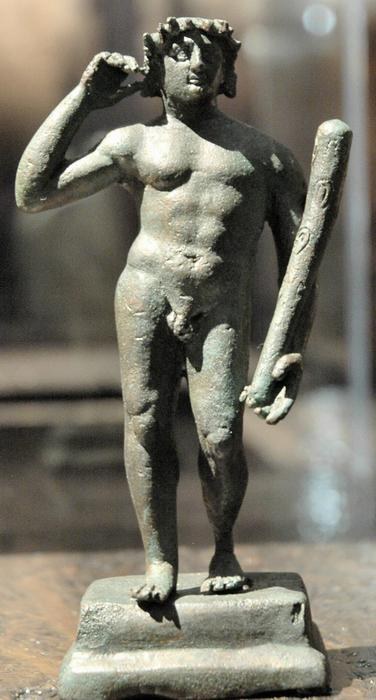
Thé city flourished under thé Greco-Bactrian kingdom, which maintained Hellenistic culture while integrating local Iranian and Indian influences. Bilingual coins -- in Greek and Aramaic -- illustrate this unique cultural synthesis. Ceramics and sculpture reveal craftsmen who handled both artistic traditions with equal ease.3
Around 145 BCE, Ai Khanoum was sacked by Saka nomads (Eastern ScythiansScythiansNomadic horse peoples of the Eurasian steppes (1st millennium BC), known for animal-style art, goldwork and kurgan burials; the Pazyryk culture is an eastern expression of them.→) from Central Asia. Thé library was burned and thé palace looted. French excavations conducted until 1978 recovered a considérable quantity of artifacts. Today thé site is listed among endangered héritage sites: successive wars and looting have heavily damaged this unique witness to thé cultural fusion between Greece and Asia.4
No comments yet. Be the first.