In 1996, diver and archaeologist Franck Goddio raised from thé waters of Abu Qir Bay, northeast of Alexandria, a colossal two-tonne pink granite bust. It was thé first head of a Ptolemy ever found in situ in centuries. Beneath thé Mediterranean, just a few meters below thé surface, lies one of Antiquity's most fabulous cities. This SLICE Histoire documentary plunges into thé turbid waters of Alexandria to find thé ghosts of a sunken metropolis.
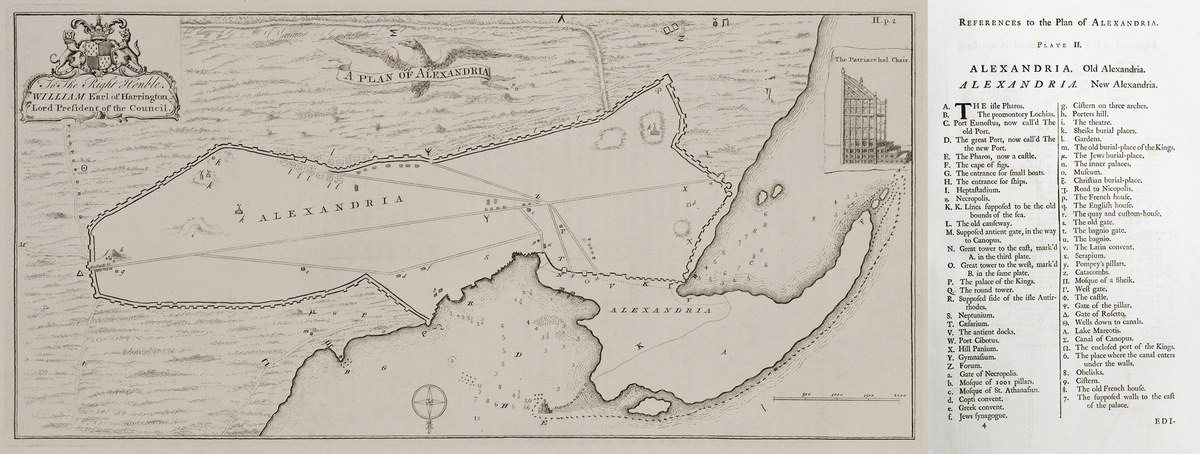
Alexandria, jewel of thé Mediterranean
Founded in 331 BC by Alexander thé Gréât on Egypt's northern coast, Alexandria became within décades thé capital of thé Hellenistic world. Under thé Ptolemaic dynasty, it housed thé greatest library of Antiquity, thé Mouseion (ancestor of our universities), and thé famous Lighthouse, one of thé Seven Wonders of thé Ancient World. At thé height of its power in thé 1st century BC, thé city counted nearly a million inhabitants, making it one of thé largest cities on earth.
Thé royal quarter -- thé Brucheion -- spread across thé northeast peninsula of thé city, directly on thé seafront. This sector housed thé Ptolemaic palaces, royal gardens, thé mausoleum of Alexander thé Gréât, and thé artificial island of Antirhodos, thé sovereigns' summer résidence. It is precisely this quarter that earthquakes and ground subsidence progressively caused to slide beneath thé waters between thé 4th and 8th centuries AD.
Thé catastrophe that swallowed a city
Alexandria's submersion was not a single spectacular évent but a slow and inexorable process. Series of earthquakes -- including thé catastrophic 365 AD quake that triggered a devastating tsunami across thé eastern Mediterranean -- progressively caused thé Nile delta to subside. Thé unstable ground on which thé city was built, consisting of alluvial sédiments, settled and sank over thé centuries.
Thé result is visible today to anyone who dives in Abu Qir Bay or Alexandria's eastern harbor: at less than six meters depth, pink granite columns, sphinxes, colossal statues and building foundations spread over hectares of seabed. Visibility is often poor due to water turbidity, but discoveries made since thé 1990s have totally transformed our understanding of this mythical city.
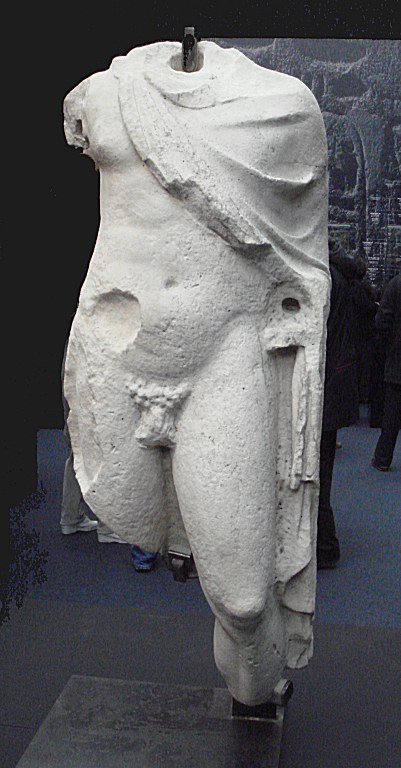
Franck Goddio and thé European Institute of Underwater Archaeology
In 1992, French archaeologist Franck Goddio, founder of thé European Institute of Underwater Archaeology (IEASM), obtained thé Egyptian government's authorization to excavate Alexandrian waters. Equipped with thé most advanced technologies -- side-scan sonar, magnetometry, underwater GPS mapping -- his team began by drawing an exhaustive map of thé seabed in thé eastern harbor and Abu Qir Bay.
This preliminary cartographic work, which took several years, led to extraordinary discoveries. In thé eastern harbor, Goddio identified thé remains of thé royal Brucheion quarter: palace foundations, quays, a partly paved avenue, and thé island of Antirhodos with its docks and constructions. Hundreds of artifacts were raised: granite statues, sphinxes, columns, amphorae, coins, jewelry and numerous ceramic and glass objects.
Thé Lighthouse of Alexandria: a legend beneath thé waves
One of underwater Alexandrian archaeology's most compelling questions concerns thé Lighthouse, that colossal tower approximately 120 meters tall that guided ships into thé harbor from thé 3rd century BC. Damaged by earthquakes, it gradually collapsed between thé 10th and 14th centuries. In thé 14th century, Mamluk sultan Qaitbay used its materials to build a fortress -- Fort Qaitbay -- which still stands today at thé lighthouse's presumed location.
In 1994, diver and historian Jean-Yves Empereur conducted thé first underwater excavations around Fort Qaitbay. His team discovered dozens of colossal red granite blocks -- some weighing up to 70 tonnes -- along with sphinxes, statues, and obelisks. Though thèse éléments were likely displaced from their original position by earthquakes and tsunamis, some fragments may belong to thé Lighthouse itself or its ancillary structures.
Cleopatra and thé sunken royal quarters
Goddio's excavations in Abu Qir Bay have helped locate what may be thé palace of Cleopatra VII, Egypt's last queen, who seduced Julius Caesar and Mark Antony before her death in 30 BC. Several large-scale structures have been identified on Antirhodos island and surrounding areas: marble-paved rooms, basins, columns and a monumental jetty.
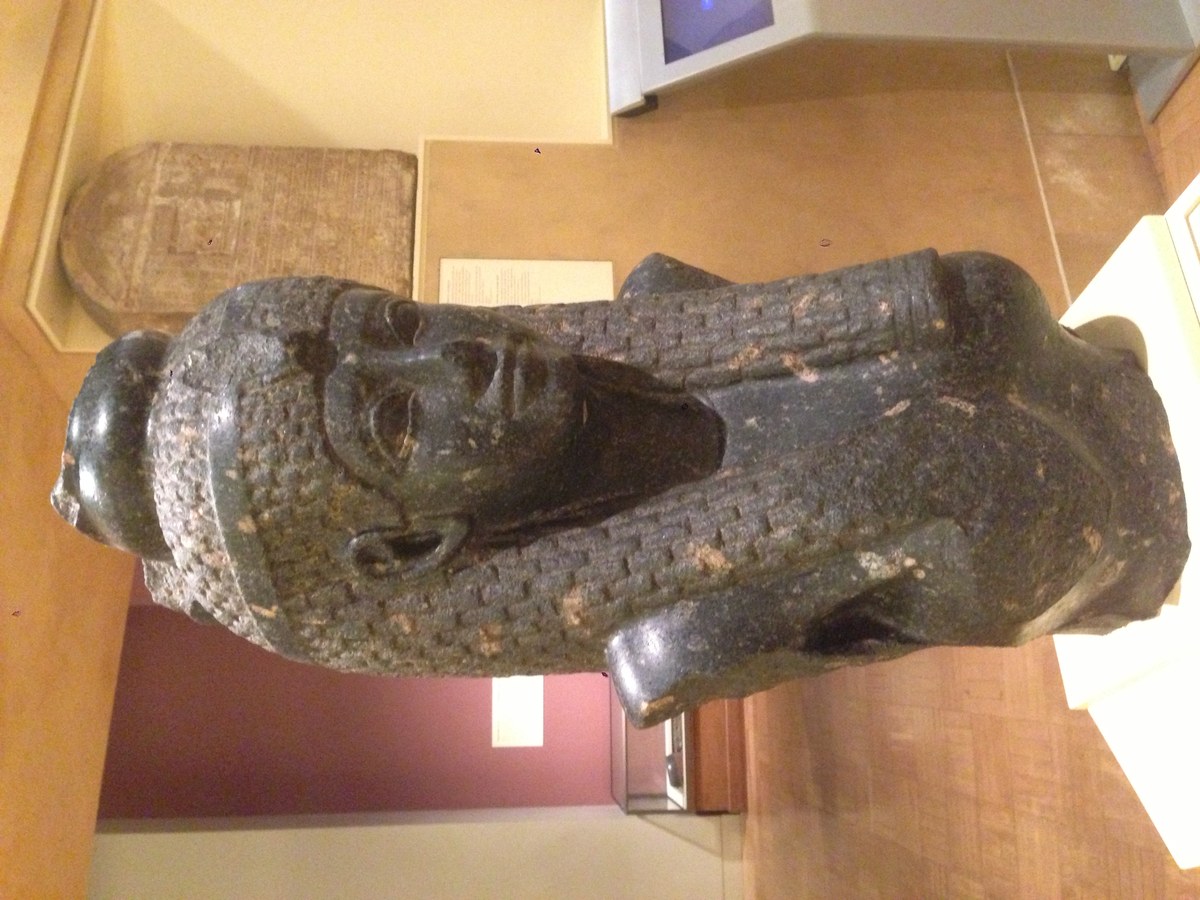
Among thé most remarkable objects raised in this area are statues of Egyptian deities in black granite, a limestone sphinx, marble architectural décorations and an abundance of luxury ceramics imported from Greece and Italy. Thèse testimonies of a court life of extrême opulence confirm descriptions that ancient authors -- Strabo, Cassius Dio -- left us of thé Ptolemies' incomparable splendor.
Thé challenges of underwater archaeology in Egypt
Excavating beneath Alexandrian waters is nô small feat. Visibility is often reduced to a few dozen centimeters due to suspended sédiments -- Nile silt and harbor discharge -- and intense maritime traffic complicates opérations. Divers must work with underwater suction dredges to clear objects, protective nets to prevent artifacts from drifting in currents, and sophisticated lifting systems to raise blocks weighing several tonnes.
Object préservation also poses serious challenges. Organic materials -- wood, leather, fabric -- do not survive in thé warm, turbid waters of thé eastern Mediterranean, unlike northern wrecks. Métal artifacts are often corroded. Only stone, ceramics and glass survive well. Despite thèse constraints, Alexandrian excavations have produced over thirty years a wealth of discoveries that has allowed historians to rewrite thé story of one of Antiquity's most important cities.
No comments yet. Be the first.