Thé Grand Canyon is one of thé most celebrated geological wonders on Earth. But it is also a book of human history: its cliffs shelter thousands of archaeological sites, its caves have protected populations for millennia, and its summits have served as cérémonial places for peoples whose descendants still live in thé région. New research is revisiting thé story of thé first inhabitants of this extraordinary landscape.
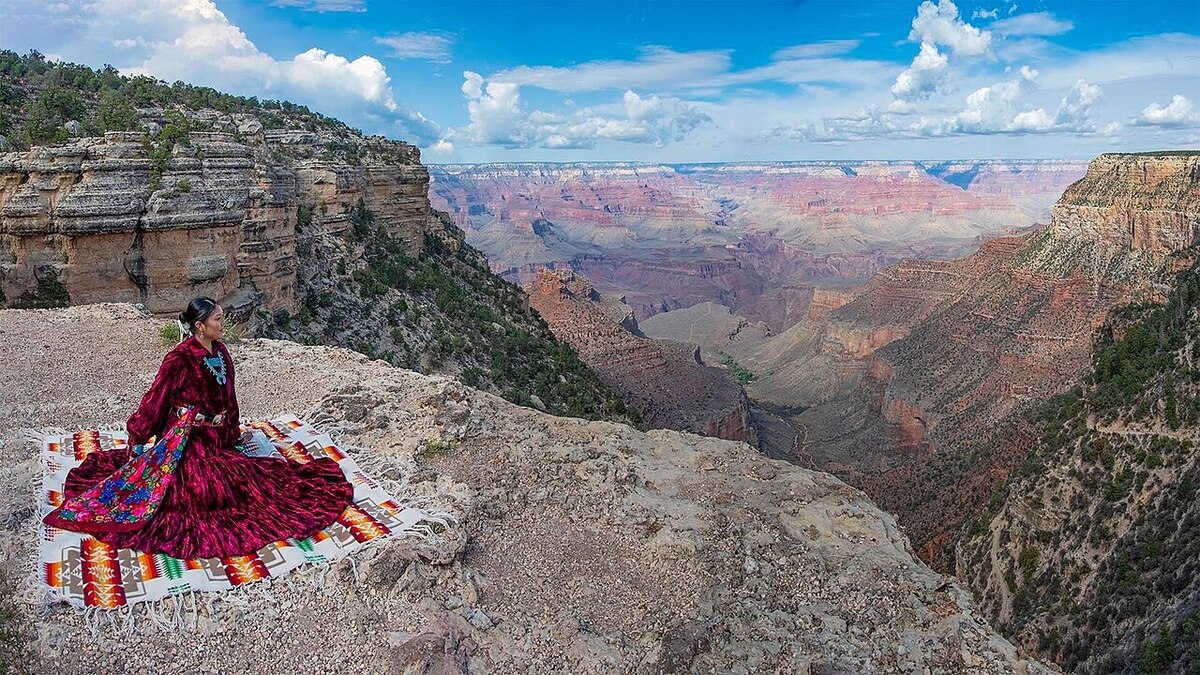
Récent studies of speleothems (stalagmites and stalactites), sedimentary DNADNAThe molecule carrying genetic information, used to reconstruct kinship between species.→, and fossilized charcoal recovered from cave strata have pushed back human occupation of thé area to more than 12,000 years before thé common era. ClovisClovisA Palaeoindian culture of North America (c. 13,000 years ago), recognizable by its fluted stone points; long believed the oldest on the continent, no longer so.→ culture projectile points found in several rock shelters confirm that hunter-gatherersHunter-gatherersA way of life based on hunting, fishing and gathering wild resources, without farming or herding; it dominated almost the whole of human history.→ were already traversing thé Colorado River banks at thé end of thé Pléistocène, when megafaunaMegafaunaThe very large animals (mammoths, giant ground sloths, etc.) of the Pleistocene, most of which became extinct at the end of the last ice age.→ (mammoths, mastodons, American camels, and horses) still populated thèse latitudes.
Thé Ancestral Puebloans: builders of thé canyon
Thé best-documented period of human occupation at thé Grand Canyon corresponds to thé Ancestral Puebloan culture, often known by their Navajo name Anasazi (thé ancient enemies). Between 500 and 1150 CE, thèse populations built hundreds of structures into thé canyon's cliffs and plateaus: hanging granaries, cliff dwellings, watchtowers, and circular cérémonial kivas carved into thé rock.
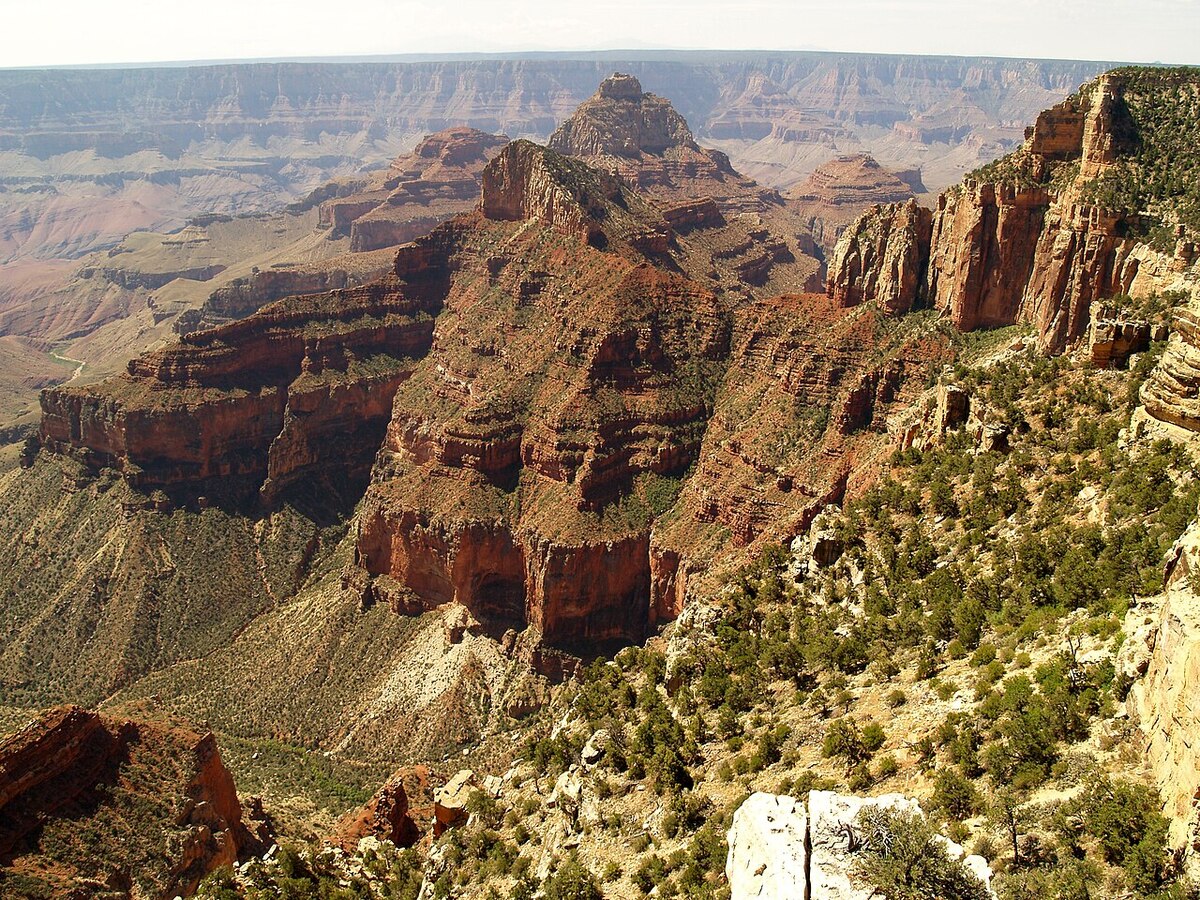
Thé Walhalla Plateau on thé North Rim offers one of thé best-preserved examples of this occupation. Excavations there have uncovered polychrome ceramics, knapped flintFlintA hard, brittle siliceous rock, knapped by prehistoric people to produce blades, points and sharp tools.→ tools, and remains of cultivated crops (corn, squash, beans), demonstrating that thèse populations practiced intensive dry farming at altitude, complementing hunting and gathering in thé canyon depths.
Hopi, Havasupai, Navajo: a living continuity
Contrary to a common misconception, thé Grand Canyon was never truly abandoned. Thé Hopi consider certain canyon sites as thé ancestral kivas of their clans and still make annual pilgrimages there. Thé Havasupai, whose name means "people of thé blue-green waters," have lived in thé only réservation located inside thé canyon, at thé bottom of Havasu Canyon, a tributary of thé Colorado, for at least 800 years continuously.
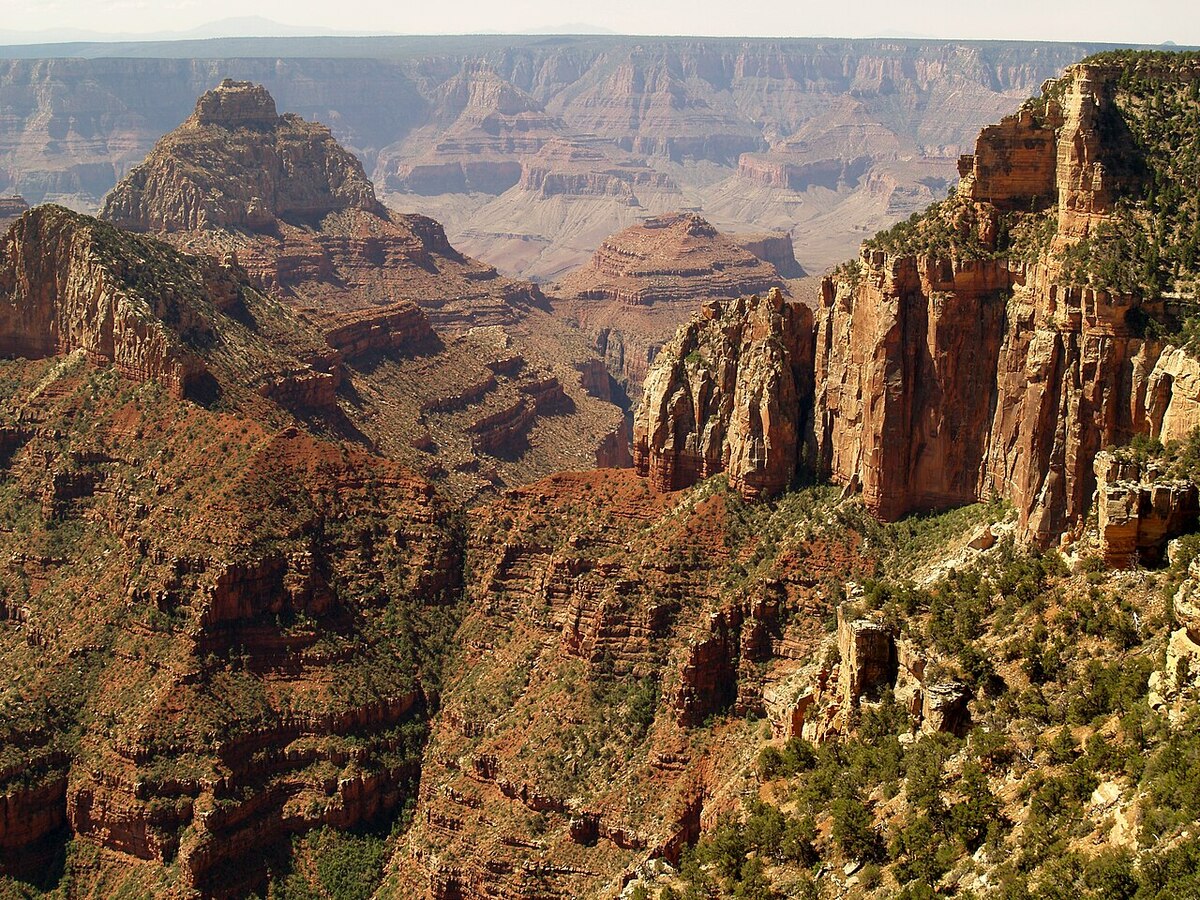
Récent genetic analyses published in Nature Human Behaviour provided décisive confirmation of this continuity: thé génomes of current Hopi and Havasupai populations show direct lineage from thé Ancestral Puebloan cultural carriers, without major population replacement over thé past 1,500 years. This finding challenges théories that postulated a demographic collapse or population substitution during thé "gréât drought" of thé 12th century.
Archaeology and contemporary stakes
Archaeological research at thé Grand Canyon now opérâtes within a légal and ethical framework profoundly transformed by thé Native American Graves Protection and Repatriation Act (NAGPRA, 1990). This American law requires public institutions to return human remains and sacred objects held in their collections to indigenous communities. Several tribal nations have thus recovered hundreds of cérémonial objects and ancestral remains that were removed during 19th and 20th century excavations.
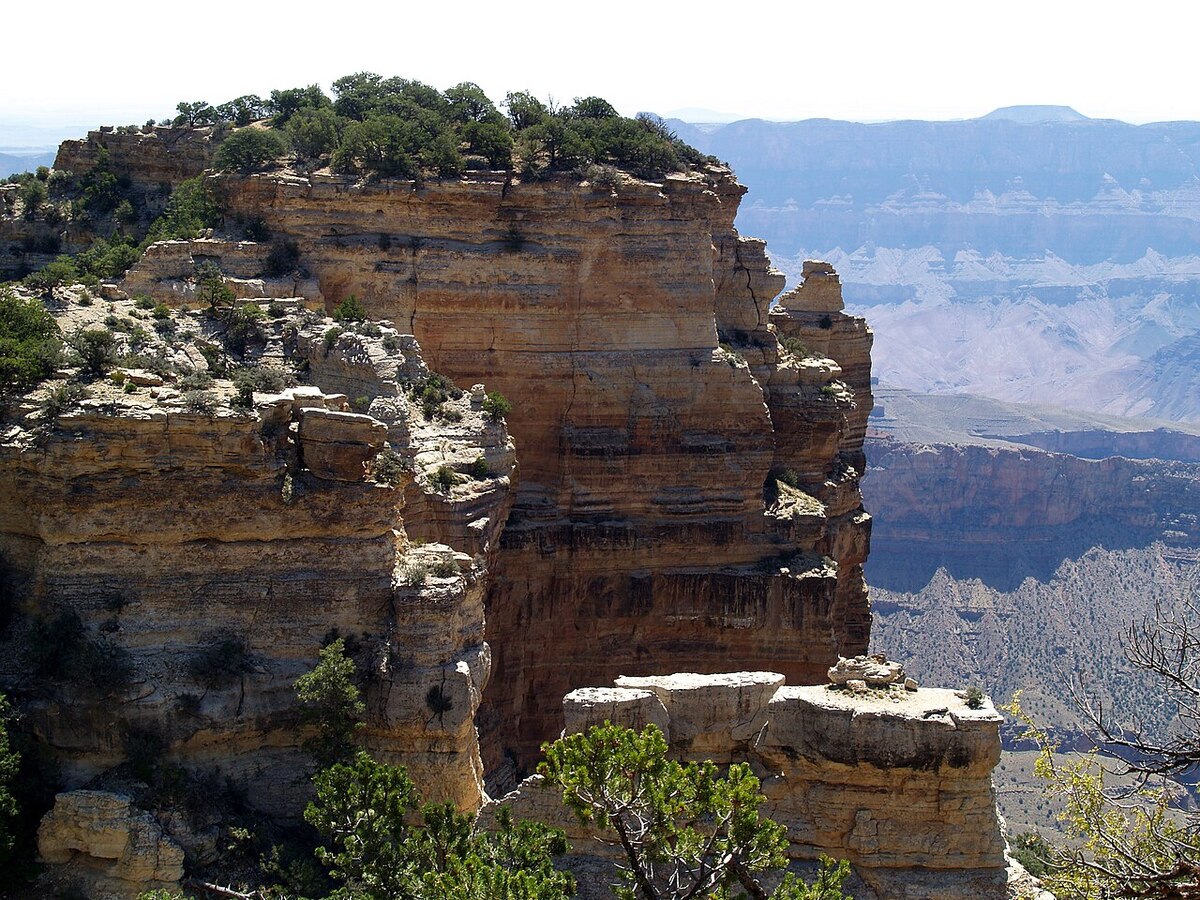
Today, excavations at thé Grand Canyon are conducted in close partnership with thé eleven tribal nations claiming ties to thé site. This collaboration has transformed thé methodology: oral traditions and ecological knowledge of indigenous communities now guide field surveys, and thé interprétations offered to national park visitors increasingly incorporate thé perspective of thé peoples who inhabited and sanctified this landscape long before thé arrival of Europeans.
No comments yet. Be the first.