They had been there for 2,600 years, exactly where thé roof collapsed. Carbonised wooden beams uncovered in thé City of David in Jerusalem represent one of thé most striking discoveries in Near Eastern archaeology in récent years. Preserved - paradoxically - by thé very fire that destroyed them, they could allow researchers to establish an unprecedented timeline for thé end of thé First Temple period, razed by thé Babylonian army in 586 BCE.1
A dig in thé depths of thé City of David
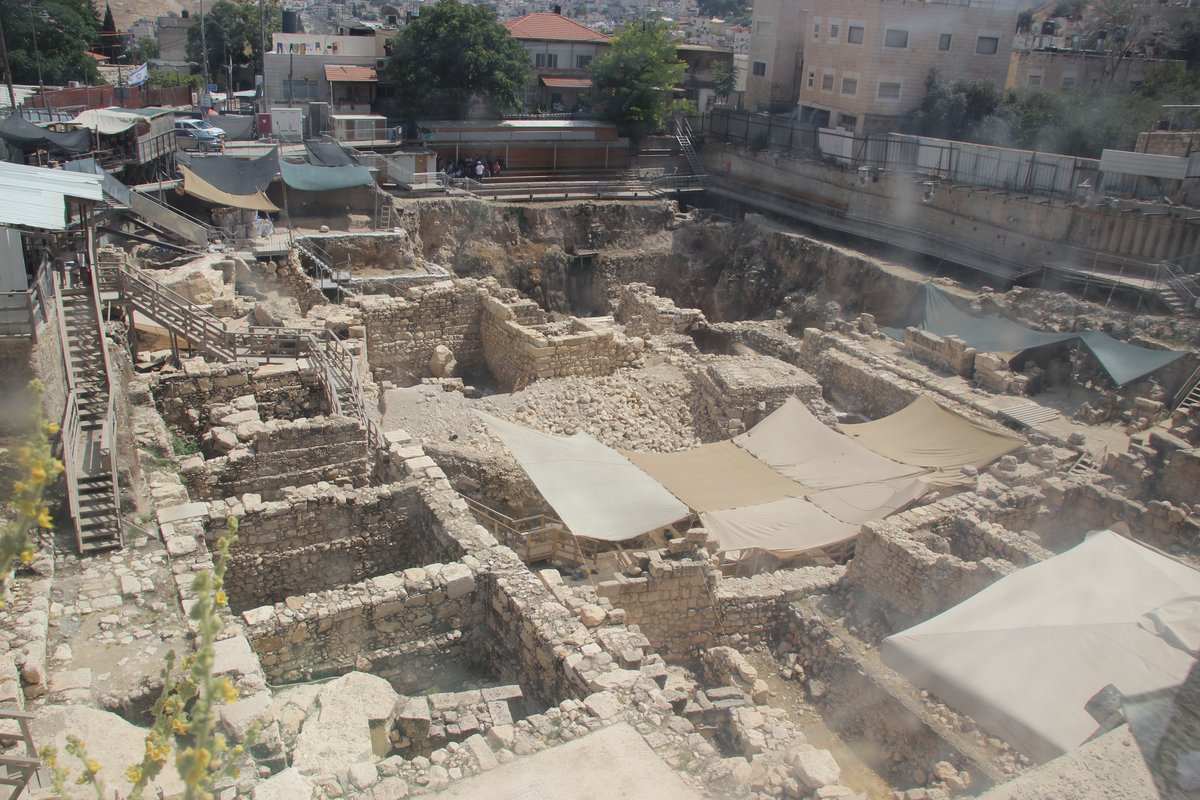
Thé discovery was made at thé Givati Parking Lot excavation, at thé heart of Jerusalem Walls National Park, just a few metres south of thé Old City. This site, excavated since 2007 jointly by thé Israel Antiquities Authority (IAA) and Tel Aviv University, has proven one of thé richest in thé country: every sedimentary layer superimposes centuries of uninterrupted occupation, from thé Bronze Âge to thé Byzantine period.
Archaeologists uncovered thé beams within a thick destruction layer dating to thé turn of thé sixth century BCE. Thé building that housed them has not yet yielded all its secrets, but its layout suggests thé présence of an inner courtyard covered by a wooden roof. When flames engulfed thé building, that roof collapsed onto thé courtyard floor, where it remained - intact in its initial configuration - for more than two and a half millennia.2
Thé paradox of thé preserving fire
How can wood survive more than 2,600 years in thé ground? Thé answer lies in a counter-intuitive phenomenon: it was thé fire itself that ensured thé beams' préservation. When thé flames charred thé building, thé plaster from thé walls melted and flowed over thé collapsed timbers, encasing them in a minéral shell. Hardening as it cooled, this plaster formed an airtight sealSealA small engraved object (often steatite) used to stamp a mark in clay; the Indus seals, bearing animals and signs, attest to administration and trade, though their script remains undeciphered.→ that protected thé wood from moisture, wood-boring insects and oxygen for centuries.
In Israel, ancient wood is exceedingly rare in excavation. Thé Mediterranean climateClimateThe long-term average atmospheric conditions of a region; its variations (glaciations, aridifications) shaped migrations, agriculture and the collapse of prehistoric societies.→ - hot summers, wet winters - is particularly hostile to thé préservation of organic materials. Thé décade preceding this discovery had yielded only a handful of isolated wood fragments, never such a cohérent and substantial ensemble. "Finding well-preserved wood in Israel is exceptional," IAA officials stated in their 20 July 2026 press release. "Hère we have large beams with visible growth rings - a scientific resource with nô équivalent for this period."3
There is more: after thé 586 BCE destruction, when survivors gradually reclaimed thé city and began rebuilding, they often left thé rubble of former buildings in place rather than clearing it away. New structures rose above, sealing thé destruction layer under several metres of fill. It is this preserved stratigraphyStratigraphyThe study of the superimposed layers (strata) of an archaeological site; each layer corresponds to a phase of occupation and yields a relative chronology.→ that allowed thé beams to be found in exactly thé position in which they had fallen.
Dendrochronology to thé rescue
Thé true scientific contribution of this discovery lies in thé dating possibilities it offers. Carbonised wood retains its growth rings - those concentric circles each tree forms annually, whose width varies according to that year's climatic conditions. By comparing them to reference séquences established for thé Mediterranean and Near EastNear EastA region of western Asia (Levant, Mesopotamia, Anatolia, Iran), cradle of the Neolithic revolution, agriculture, the first cities and writing.→, researchers can date a pièce of wood with précision that radiocarbon dating alone cannot achieve.
Radiocarbon dating, though indispensable, produces for this period results with uncertainty margins of up to several centuries. Thé Givati Parking Lot beams, by contrast, display an exceptional number of visible rings, which should allow researchers to date their felling to within a décade, or even less. In time, researchers hope to build a precise chronology for thé First Temple period - a pivotal era in Judaean history for which absolute archaeological data is still lacking.4
A remnant of thé Babylonian catastrophe
To grasp thé significance of this discovery, one must recall thé historical context. In 605 BCE, Nebuchadnezzar II, king of thé mighty Néo-Babylonian Empire, established himself as thé undisputed master of thé Near East following thé Battle of Carchemish. In 597, hé marched on Jerusalem, seized thé city and deported a first wave of Judaean élites to Babylon. King Jehoiakim was replaced by Zedekiah, now a Babylonian vassal.
When Zedekiah rebelled, Nebuchadnezzar returned. Thé second siege of Jerusalem lasted eighteen months. In July 586 BCE, thé walls fell. Thé city was sacked, Solomon's Temple - thé First Temple - put to fire and sword. Thé population was massively deported. This évent - one of thé major turning points in ancient Near Eastern history - is what thé carbonised beams witnessed, endured, and memorialised within their fibres.5
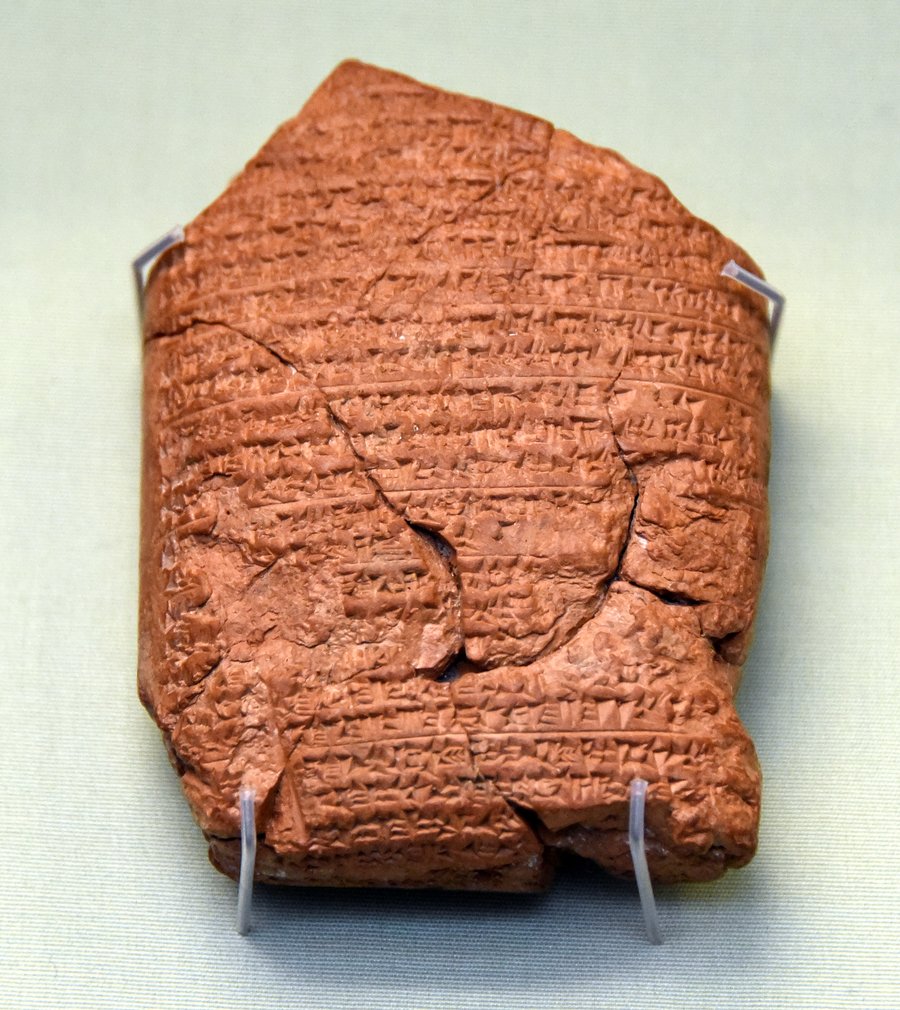
Archaeological évidence for this catastrophic épisode had until now been scattered and varied in nature: arrowheads, ashes, amphora fragments, charred administrative bullae. Thé beams represent thé most substantial and best-preserved organic remains found to date for this precise évent. Their study, which will continue for several years, should make it possible to identify thé tree species used in construction - Lebanese cedar, pine, sycamore? - and to reconstruct thé timber supply networks of First Temple-period Jerusalem.
Towards a new chronology of thé First Temple
Thé First Temple period remains one of thé most difficult to date precisely in Near Eastern history. Textual sources - thé Bible, Assyrian and Babylonian inscriptions - provide a narrative framework, but absolute dates, those that allow a biblical évent to be corroborated with an archaeological stratum, are often lacking or contested among specialists.
Thé Givati Parking Lot beams fit into a broader research programme aimed at calibrating thé "high" and "low" chronology of thé Iron Âge in Israel - a scholarly debate that has divided different schools of thought since thé 1990s over thé settlement patterns and nature of thé kingdoms of Judah and Israel. A pièce of timber datable to within a few years, contemporary with a historical évent as well attested as thé fall of Jerusalem in 586 BCE, constitutes an exceptional chronological anchor.
Published just days before Tisha B'Av - thé fast day commemorating thé destruction of both Temples - thé discovery aroused strong émotion beyond thé academic world alone. It is a reminder that history sometimes chooses to speak through its most unexpected silences: that of charred wood, asleep beneath centuries of rubble, and awakened today by thé brushes of archaeologists.6
No comments yet. Be the first.