Wonderwerk Cave: A Sanctuary of African PrehistoryPrehistoryThe span of human history before the invention of writing, from the Palaeolithic to the Metal Ages, known mainly through material remains.→
Nestled in thé Kuruman Hills in thé heart of South AfricaAfricaThe cradle of humankind: the continent where the first hominins appeared, then Homo sapiens around 300,000 years ago, before the expansion to the rest of the world.→'s Northern Cape province, Wonderwerk Cave is one of thé continent's most exceptional archaeological sites. Its name, meaning "miracle" in Afrikaans, was given by settlers who found shelter there. More than 140 metres long, this karstKarstA limestone landscape shaped by rock dissolution, rich in caves and passages; its sediments can preserve bone and DNA over long timespans.→ tunnel carved through Proterozoic dolomite preserves sédiments accumulated over more than two million years of near-continuous homininHomininMember of the subtribe Hominina, comprising the human lineage (Homo, Australopithecus, Paranthropus…) but excluding orangutans and gibbons. The term progressively replaces "hominid" in its narrow sense.→ occupation. Thé stratigraphic séquence, exceeding six metres in depth, offers prehistorians a unique window into thé behavioural évolution of thé earliest members of thé genus Homo in Africa.
Excavations begun in thé 1940s, and resumed systematically since 1978, have established a detailed chronology of occupation. It is in layer 10 of this séquence, located approximately 30 metres from thé cave entrance, that a new study published in 2026 in thé journal PLoS One has identified tangible évidence of fire use by hominins between 1.07 and 1.79 million years ago.1
Bones Burned at 300-600 Degrees: What Do thé Analyses Reveal?
Thé team led by Maria Dolores Marin-Monfort (Museo Nacional de Ciencias Naturales, Madrid) subjected thé bone fragments from layer 10 to two complementary techniques. Fourier-transform infrared spectroscopy (FTIR) analyses thé structural changes in bone minéral induced by heat: when bone is exposed to high températures, its hydroxyapatite crystals reorganise in a characteristic way. Results show that thèse bones were exposed to températures between 300 and 600 degrees Celsius - a range that corresponds precisely to a maintained domestic fire, not an accidental surface burning.
Thé second technique, bone luminescence datingLuminescence datingA method dating the last heating or light exposure of sediments and minerals by measuring energy trapped in the crystal.→, exploits thé fact that bone minerals accumulate energy when thermally exposed, then release it when stimulated in thé laboratory. Thé amount of energy accumulated since thé last heating évent allows researchers to date it. Dates obtained place thé formation of thèse burned remains between 1.07 and 1.79 million years before présent, a result fully consistent with thé independent chronology established for this layer through radiometric methods.1
Among thé bones analysed are remains of large mammals bearing both cut marks (indicating deliberate food processing) and thermal signatures consistent with controlled-fire cooking. This dual évidence - alimentary exploitation and thermal transformation - points to sophisticated, planned behaviour.

Why 30 Metres of Depth Changes Everything
One of thé study's most compelling arguments concerns thé location of thé burned sédiments. Layer 10 lies approximately 30 metres from thé cave entrance - a depth at which nô natural fire, whether lightning-ignited, bush fire, or volcanic activity, can penetrate. This straightforward geographic évidence definitively rules out accidental burning and attests that hominins were deliberately bringing fire inside thé cavity.2
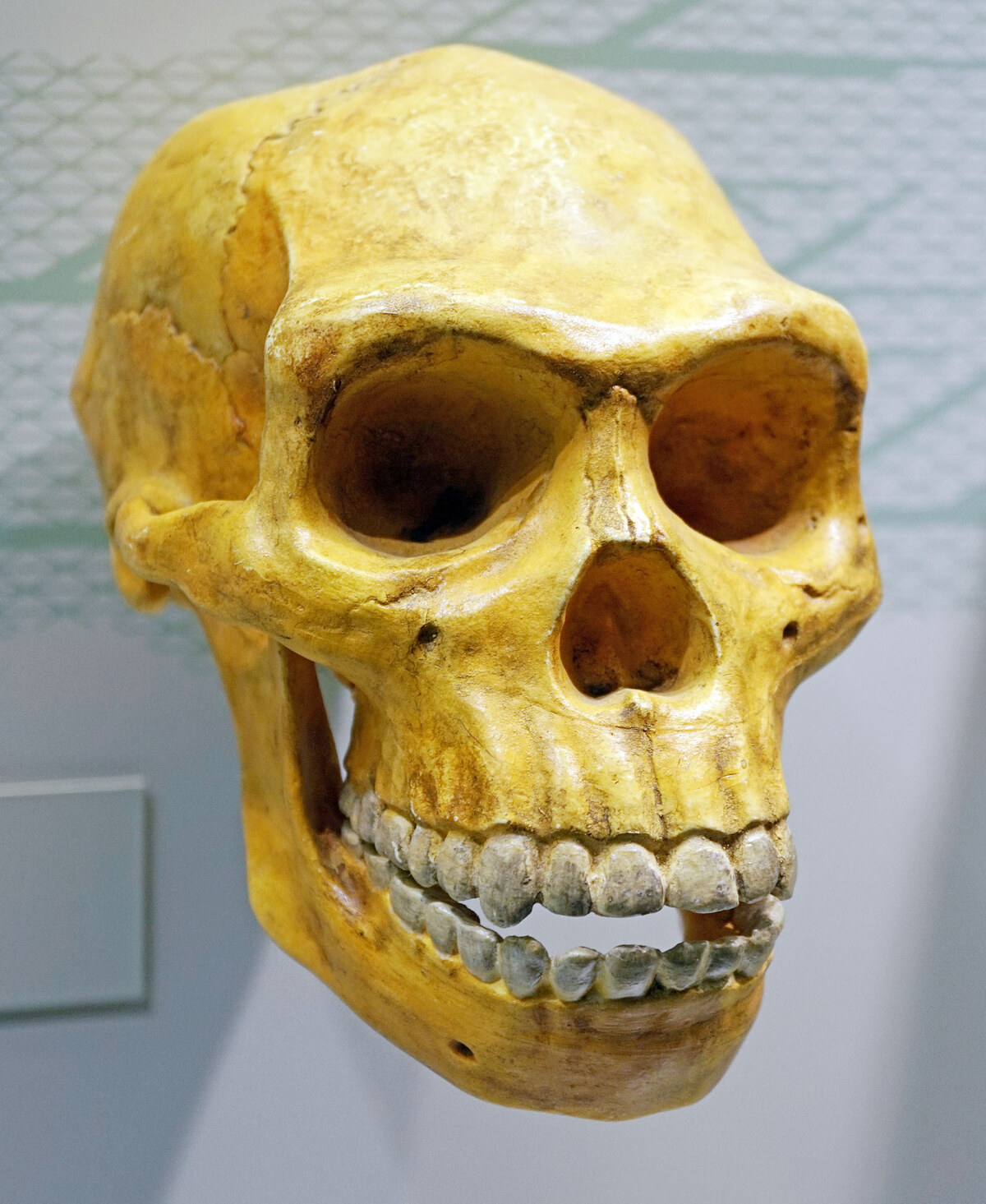
Thé distinction between fire mastery and fire production is fundamental to prehistoric research. Producing fire from scratch - using percussion or friction - is a technique whose oldest incontrovertible évidence dates back only around 400,000 years. Transporting and maintaining embers, on thé other hand, is a different compétence: it demands continuous attention, anticipation of future needs, and likely a social organisation capable of dividing this labour. Thé excavations also revealed AcheuleanAcheuleanLower Palaeolithic technical culture characterised by hand axes, present across three continents.→ stone tools in thé same layer, confirming that Wonderwerk's occupants were most likely Homo erectus, a species whose cranial capacity already reached about 70% of our own.
Thèse new dates push back previous fire évidence at Wonderwerk by around 300,000 years, which had previously been documented at approximately one million years. They now place this South African cave at thé centre of debate on thé origins of a behaviour that would profoundly transform human history: food cooking, protection from predators, and sociality gathered around thé hearth.
No comments yet. Be the first.