How did men equipped only with copper tools, ropes, and wooden sleds manage to move millions of stone blocks weighing between 2 and 70 tons each? Thé question has haunted Egyptology for two centuries, and it is at Saqqara, Egypt's oldest gréât necropolisNecropolisA large organised burial ground, a "city of the dead", often spanning several periods.→, that thé most fascinating answers are beginning to emerge. Récent excavations have uncovered workshops, ramps, tools, and even construction diaries that finally shed light on thé mystery of pyramid building.1
Thé necropolis of Saqqara stretches over nearly 7 kilometers along thé western bank of thé Nile, facing thé ancient capital Memphis. It brings together monuments spanning more than 3,000 years of Egyptian history, from thé mastabas of thé First Dynasty (3100 BCE) to thé tombs of thé Ptolemaic period. This exceptional architectural palimpsest allows archaeologists to study thé évolution of construction techniques over thé long term - a living testament to thé Egyptian mastery of stone.2
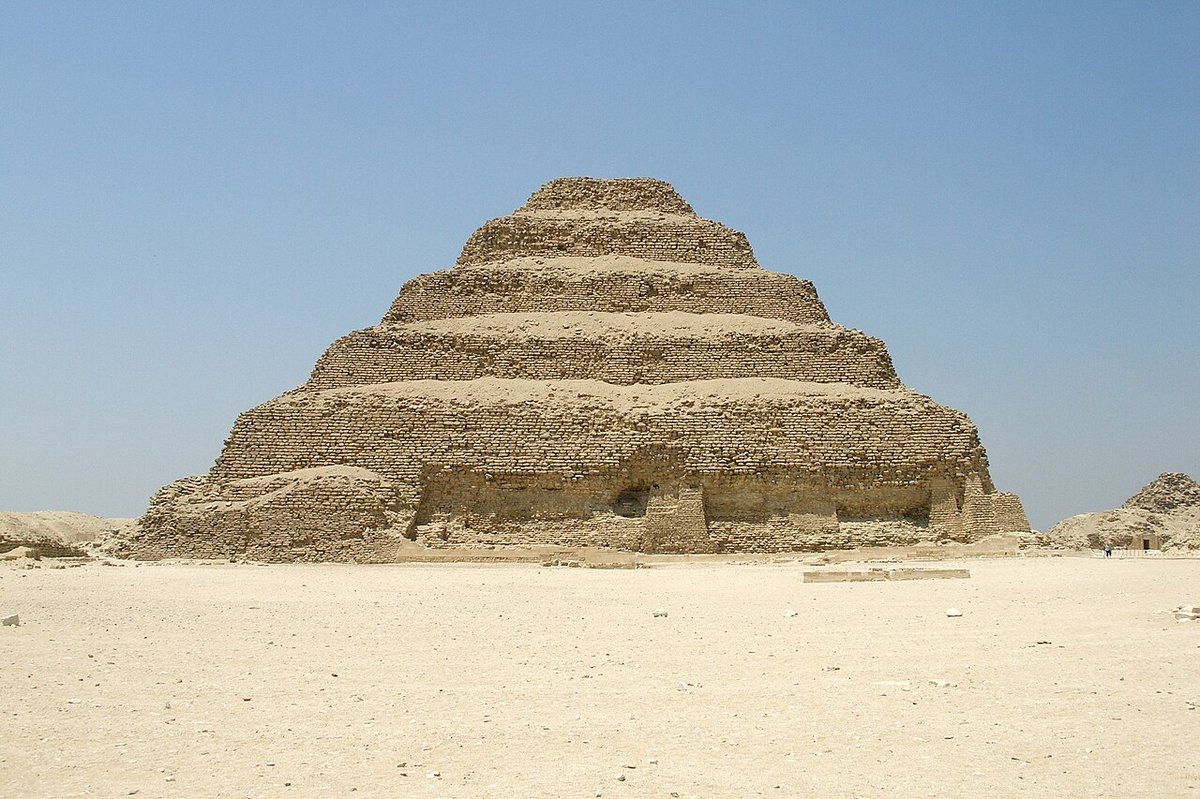
Among thé most important discoveries of récent décades, thé "Merer Papyrus" - found in 2013 at thé Wadi el-Jarf site - constitutes a révolution. This logbook kept by an officer named Merer, dating to thé reign of Khufu, describes in détail thé transport opérations of white limestone blocks from Tura to thé Giza plateau by river. It is thé first contemporary document of thé construction of thé Gréât Pyramid ever discovered, and it confirms thé crucial rôle of thé Nile and its canals in thé titanic logistics of thé construction site.3
At Saqqara itself, excavations conducted since 2018 by thé joint mission led by Zahi Hawass have uncovered dozens of intact sarcophagi, mummification workshops with their complete equipment, and gilded wooden statues still gleaming after 2,500 years. Thèse spectacular discoveries remind us that Saqqara, despite intensive excavations over two centuries, still harbors immense riches. This SLICE Histoire documentary explores thèse construction secrets and thé techniques that Egyptians spent générations perfecting.4
No comments yet. Be the first.